Whoa!
I kept losing time digging through wallet features and security specs. My initial gut said all wallets were roughly the same, but that feeling didn’t hold. The more I dug, the clearer the tradeoffs became between convenience and real security, and those tradeoffs matter to people moving serious value.
Honestly, the headlines make wallets look like commodities. But the reality is messy, technical, and a bit human — in other words, interesting.
Really?
Yeah, seriously. Most wallet comparisons lead with UX and token support, which is useful. Yet they gloss over how recovery, approvals, and cross-chain flows actually behave when things go sideways. That gap is where money gets lost and nerves get frayed, especially for folks who use DeFi daily.
Hmm…
Initially I thought the best approach was to recommend a hardware-first setup to everyone, and then I changed my mind. Actually, wait—let me rephrase that: hardware wallets are great for cold storage, but they don’t solve on-device risks, smart contract approvals, or the painful UX friction that turns regular people away from active DeFi use. On one hand you get safety; on the other hand, you get fewer transactions and a clumsy experience when you need to move quickly across multiple chains.
Here’s the thing.
Mobile wallets aren’t just “apps” anymore; they’re the primary interface for many users to interact with DeFi protocols, NFTs, and onchain identity. I’m biased, but a good mobile wallet should be a thoughtful compromise — smooth day-to-day UX combined with layered security that scales with how much value a user holds. That means progressive security: easy for low-risk moves, rigid for high-stakes transfers.
Wow!
A few practical design patterns matter more than flashy marketing. Permission management (how you approve contracts and revoke allowances) is a critical control point. Session-based approvals that time out, or granular approval scopes, reduce attack surface significantly. Long and boring list items like these are the difference between minor annoyance and catastrophic loss, though actually people tend to ignore them until it’s too late.
Really?
Yes, and here’s a small anecdote: I watched a neighbor accidentally authorize a contract to drain ERC20 allowances because the UI treated “approve” like a one-click checkbox. It was a weekend, of course. That part bugs me — the UX normalized dangerous behavior. Wallets should interrupt and educate at the right moments, not just log actions in a hidden history panel.
Whoa!
DeFi integration needs thoughtful bridging and contract awareness. Cross-chain swaps and bridges are powerful, but they add complexity that regular users don’t want to manage. When a wallet shows token routes, gas estimates, and slippage options in plain language, users make better choices; when it exposes raw txn data only, confusion follows. The best wallets bake in protocol reputation signals and warn about risky bridge routes, even when developers rush to ship new chains.
Hmm…
Security architecture matters under the hood. Multi-party computation (MPC) and social recovery models make certain compromises that are actually smarter for mobile-first users. I’m not saying MPC solves everything, but it reduces reliance on a single seed phrase and provides practical recovery paths for non-technical people — which is huge for mainstream adoption. On the other hand, MPC introduces upgrade and key-rotation considerations, so it’s not a free lunch.
Here’s the thing.
Wallets that integrate hardware-backed key stores for high-value operations while offering MPC or social recovery for day-to-day convenience strike a solid balance. Somethin’ like a layered approach gives users both speed and safety. It’s a model I’d trust for recurring DeFi interactions where approvals and recurring transactions are common.
What to look for — practical checklist
Check device-level protections like biometric unlock and secure enclave usage. Look at how the wallet surfaces contract approvals and allowance revocations. Notice whether there are clear warnings for bridge transfers and contract interactions (bad ones exist, and fast decisions often lead to loss). Also ask whether the wallet supports multiple chains without fragility, and whether it provides gas-optimization tips when needed.
Seriously?
Yep. And by the way, UX that nudges users to revoke stale allowances is understated but very very important. I’m not 100% sure every user will appreciate the nuance at first, but once people lose funds, appreciation is immediate and painful. Wallets that bake in simple routines — daily security checks, automated revoke suggestions, one-tap freeze options — build trust.
Okay, so check this out — I tried a few mobile wallets for a month each, with small daily trades and occasional yield farming experiments. My instinct said the simplest interfaces were safest, though the reality was more complex. Interestingly, the wallet that balanced visible permissions, hardware-backed signing for high-value txns, and social recovery for lost phones won my tests.
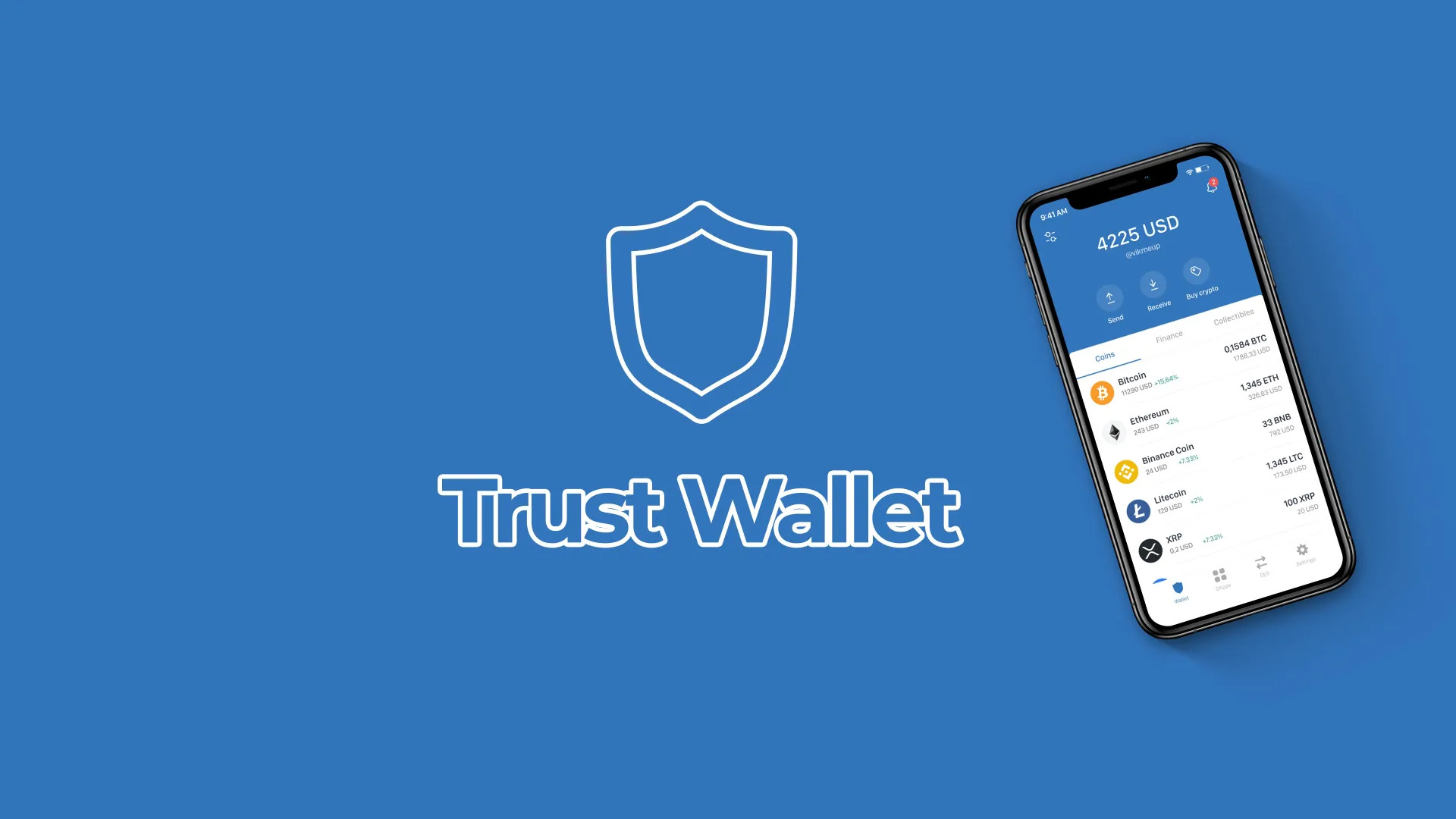
That experience led me to recommend a few strong contenders, and if you’re hunting for a modern multi-chain mobile solution, give truts wallet a look. It nails a lot of these patterns: clear approval flows, progressive security layers, and sensible DeFi integrations that don’t blindside users with jargon.
Hmm…
Not all features are equal. Some wallets tout “DeFi aggregator” badges but still expose confusing approval prompts. Others force manual seed backups without offering realistic recovery for lost phones, which is a mismatch for mobile-first users. I’m biased toward wallets that meet users where they are — phone in hand, coffee down, trying to bridge or stake without a master’s degree in cryptography.
Here’s the thing.
Developers and product teams should prioritize education micro-moments over checkbox compliance. Small tooltips, short modal explainers, and one-click remediation actions matter enormously — and they’re cheap to build compared with the fallout of a major exploit. The security model should also be auditable and transparent, not some hidden vault of proprietary magic that only developers can interpret.
Whoa!
Regulatory noise is creeping in, and that’s an external risk vector. On one hand, wallets should be neutral tools that prioritize user sovereignty; on the other hand, they must also adapt to compliance realities that affect which integrations can operate in certain regions. That tension will shape product roadmaps in the coming years, though agile teams can design modular policy controls to adapt quickly.
Really?
Yes. And, I’m not 100% sure how the landscape will settle, but wallets that separate policy layers from core crypto primitives will be more resilient. Or at least, they will be easier to update without breaking users’ private keys or recovery schemes. That’s the engineering tradeoff teams should be thinking about now.
FAQ
How should I manage approvals to reduce risk?
Revoke smart-contract allowances you don’t use, prefer explicit single-transaction approvals when possible, and enable session-based permissions for frequent dapps so that exposure expires. Use wallet features that list and let you revoke allowances in one place.
Is social recovery safe for mobile users?
Social recovery can be very practical: it avoids a single point of failure like a seed phrase and provides a real-world recovery path for lost devices, though it relies on trusted guardians and careful UX to avoid social-engineering risks. Evaluate the guardian selection and rekeying flow before trusting large balances to it.